

On June 20, 2019, Slack shares started trading on the New York Stock Exchange (NYSE) under the ticker symbol WORK. Five years and four months and eight days after booking our first dollar of revenue for Slack, we were set to become a public company worth somewhere north of $20-billion. From nothing to public in about 1,358 working days.
I remember the day very clearly because I wasn’t there. I was on vacation with my family.
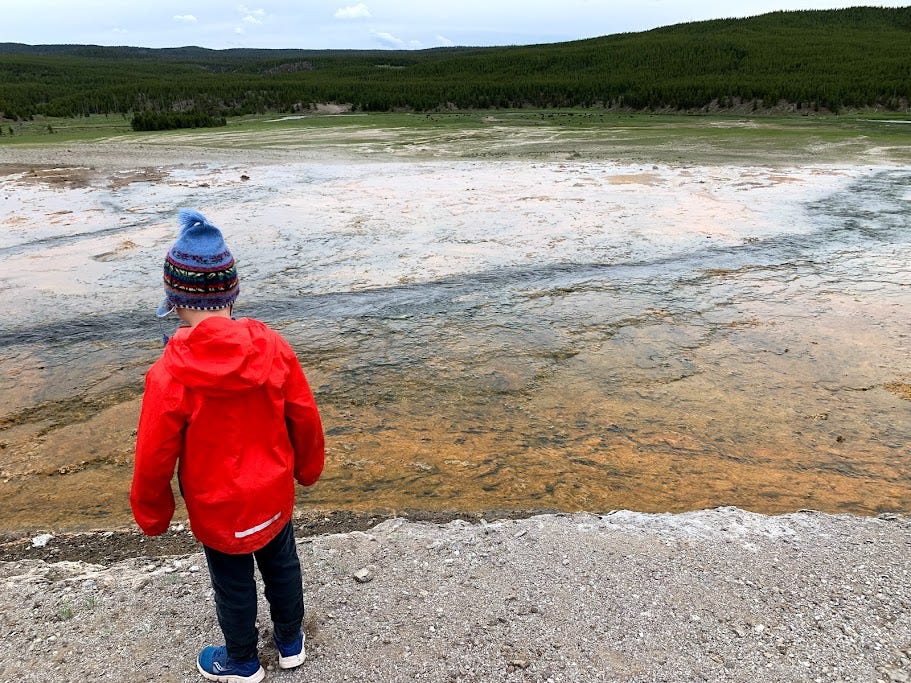
On the morning WORK started trading, I woke early in a cabin in a town called West Yellowstone, just outside the boundary to Yellowstone National Park. Wifi reception proved spotty. We were a long way from the NYSE but still very much connected.
Going Public from Yellowstone
My wife had wanted to attend a conference in West Yellowstone for her work, and my son and I had decided to tag along. She had made a goodly number of sacrifices for my work at Slack. Here was a chance to balance the ledger. Plus, Yellowstone seemed a remarkable once-in-a-lifetime kind of place to visit.
So we made the decision to go. That was before the announcement of Slack’s public listing date. Then we waffled on our decision for a few minutes. Should we go? Should we not? We couldn’t be in two places at once. We decided to stick to our plan for a work / family vacation.
And I can’t say I didn’t have some FOMO as teammates posted photos from NYSE. But Yellowstone was its own unique and amazing place too.
And getting there proved half the adventure. We drove down from our home in Vancouver to Seattle for one night. We took the underground Seattle tour, a key feature of a Scooby Doo episode my son loved, A Frightened Hound Meets Demons Underground.
We flew from Seattle to Bozeman, Montana, rented a car and headed out into the wide valleys full of cattle and scrubby brush and black-barked trees. We drove on into the tight mountain passes full of conifers.
At the same time, many of my long-time teammates would have been sitting on flights to New York to be on the floor of the NYSE for the debut of Slack. I had some small second thoughts about changing our plans, but those second thoughts quickly dissipated.
For many years my career with Slack had been supported by our family, through late nights and international relocation and business travel. Now it felt like time to rebalance that equation.
WORK Starts Trading on NYSE
June 19, 2019: the night before Slack started trading. I logged in to our brokerage account and set up my orders for the next day. I could have just as easily being buying a pair of shoes or booking a flight. The website experience felt so pedestrian. All the mechanisms acted the exact same. Type numbers into a form. Click button.
But the meaning definitely felt different. With my orders for the next day I was making decisions for our family’s financial future that would affect the rest of our lives. No big deal, just typing a few numbers, clicking a few buttons, placing a few orders, deciding on wagers that could bring years of work to fruition.
Zoom out with me now from those numbers on that screen for some context that might be helpful.
Slack started trading on the NYSE in what’s called a Direct Public Offering (DPO). People often called it an Initial Public Offering (IPO), but that process was different. A DPO was simpler and faster because there was no underwriting investment bank essentially lining up orders and guaranteeing the debut price. We were taking a chance.
For me specifically, because I was considered an insider, the DPO route to market offered more flexibility for all insiders selling shares. The calendar flipped over and we could buy and sell immediately, just like anyone with a brokerage account. So on June 20, 2019, my vested WORK shares were available to sell, and I could buy new ones. In contrast, an IPO included a lock-up period where insiders (like me) could not sell or buy shares for 3-6 months after the public offering.
The downside of a DPO was it offered more uncertainty on pricing of each share right up until the day before trading. And since the pricing influenced how many shares we wanted to sell, we had one huge known unknown factor in our decision. What do you sell if you don’t know the price? So up until the day before trading we didn’t really know how many shares we wanted to sell.
Slack was able to do a DPO because of the strength of its brand and business. We used it as a signal of strength. We believed the demand for WORK shares was strong enough that we didn’t need banks underwriting the launch of the shares’ trading. To some, I remember it seemed an additional risk at the time to do a DPO versus an IPO. It was different and unfamiliar. But it also fit Slack.
Okay, zoom back in with me now. Did I mention our Yellowstone cabin’s spotty Internet?
The day of the launch of WORK I remember very clearly. That day, June 20, I woke at 5 am mountain time, 7 am eastern time. I checked the orders I had placed to sell some of my shares the night before. A mild wave of panic flooded my brain. None of the orders I had set up had been saved. Time ticked down to the opening bell. I scrambled to redo my orders. The wifi held up. I got the orders reset with 3 minutes to spare and then waited. I double checked the orders. I refreshed the page and they held on screen, entries in some database in some data centre somewhere in the world. I made the coffee, checking back over my shoulder to see if anything changed on the screen.
As the coffee brewed I logged on to the internal live stream being broadcast from our New York offices. The two stars of the show were clearly our CEO, Stewart Butterflied, and our CFO, Allen Shim. They held the floor and told a story about the mechanics of how the shares actually got priced for their debut of trading.
The day before, they had met with bankers in the bankers’ offices. The way they described it was somewhat like a scene from a Wall Street movie — The Big Short or The Wolf of Wall Street or Wall Street itself. People, in suits, intensely talking with each other in coded language and then at the same time intensely talking with other people by phone in the coded language. They were taking in orders for WORK shares to set the price they would debut at. Someone on this phone line agreed with the price. Someone on another phone line wanted a bigger allocation at a higher price. This was how the sausage got made. They were making the market for WORK before WORK hit the public market.
Stewart and Allen were part of the process but they were just passengers. The bankers did the talking. The bankers did the haggling. Stewart and Allen listened and perhaps reacted, or perhaps tried not to react too much. The pricing conversations went well. In the retelling I remember Allen saying almost sheepishly that they had gone very well. He couldn’t share the exact numbers but it was going to be a very good opening.
The Unreality of it All
As my coffee brewed and the market open approached on that morning of June 20, I felt two things at once:
Amazement we had come so far and incredulity at the thing we were on the cusp of accomplishing and
Disbelief that it could all actually happen there in that moment in a cabin in Montana.
Our financial lives could be changing in a single direction and in such a drastic amount, then we needed to tidy up breakfast and pack our snacks for the day. Make sure we had warm clothes because the forecast called for snow. It felt at once both unreal and very real.
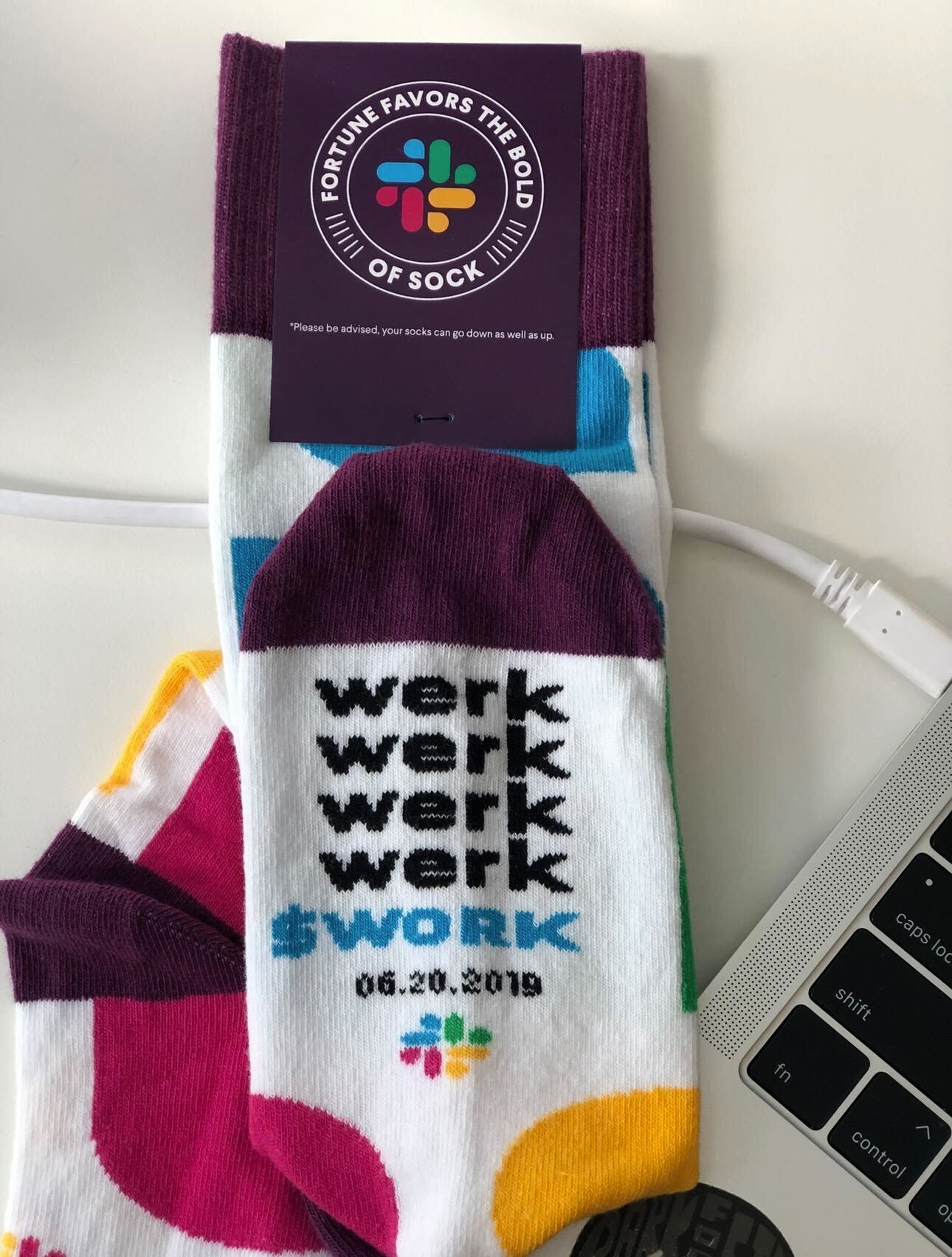
The market opened. Web pages got refreshed and notification emails arrived in my inbox. Our orders got filled. Numbers started appearing that showed WORK shares had priced at $37.50 to start and then risen. It was all good news. I stayed logged on to the live stream as long as I could to share the moment, before I had to get myself going for the day and being a dad to a travelling 6-year-old.
Perhaps we went for dinner that night. Perhaps we had a special meal at the cabin that we cooked. I can’t rightly remember.
As soon as we left the cabin that morning, we had no Internet no cell signal and were insulated from the news for the balance of the day. We left the world behind in the cabin and went exploring.
My wife attended her conference. My son and I rented bikes. We rode through a forest on long single-track paths to the Madison River and watched fly fishers wade the riffles seeking trout. They cast their lines in great stretching arcs over the water, back and forth, seeking the right balance of distance and tension. We startled a mule deer buck with velveted antlers so large they could have been from a young elk.
We had our snacks on the river shore and chatted wth a retired RVing couple from South Dakota who had been on the road for 2 months. They told my son they needed to find a place to empty their “poop tank.” He didn’t know what to make of that, being unfamiliar with the needs of plumbing and septic systems and RVs, but asked me about it again that night. He was concerned about them: had they found a place to empty out or were they still carrying around all their poop?
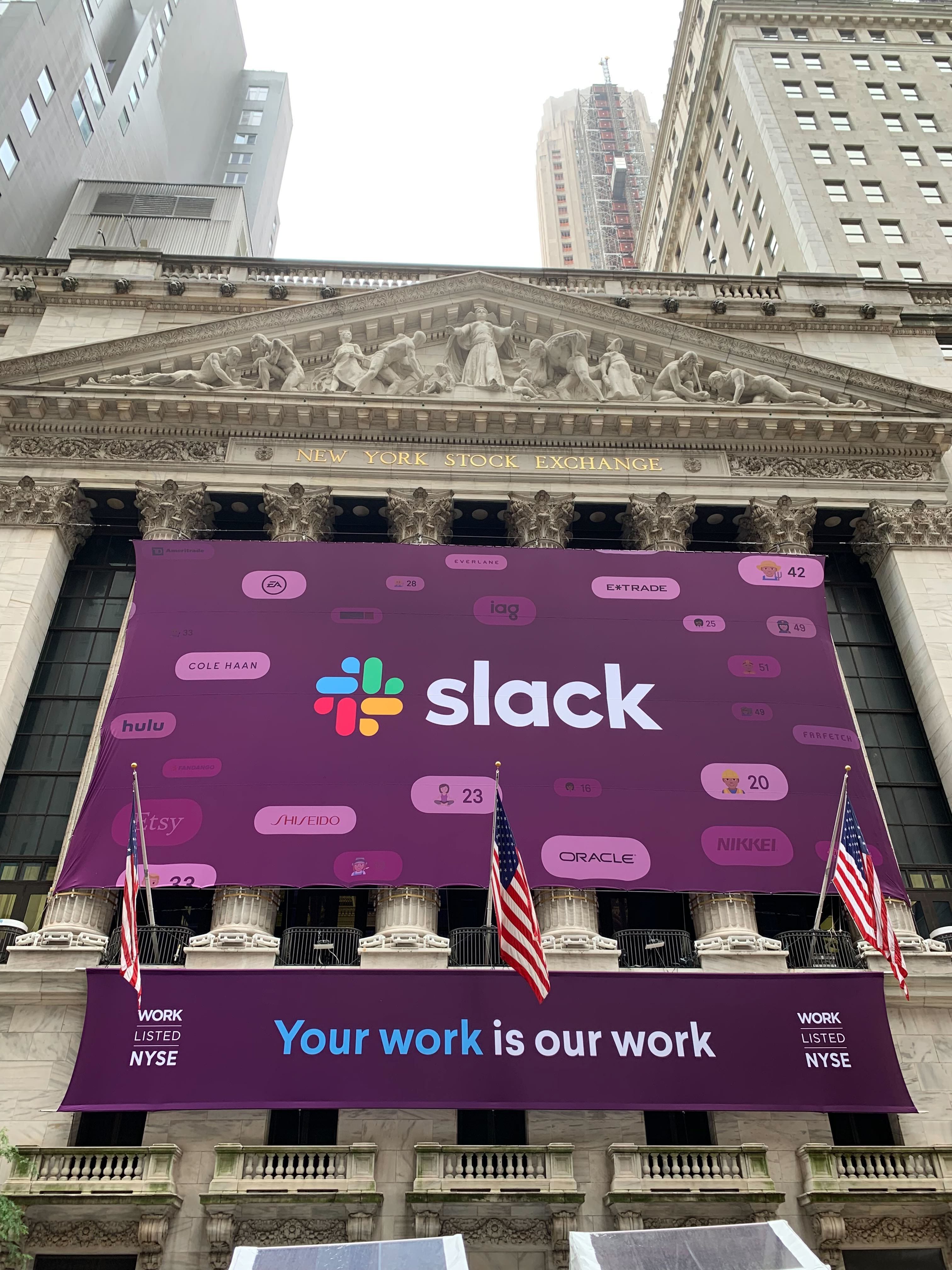
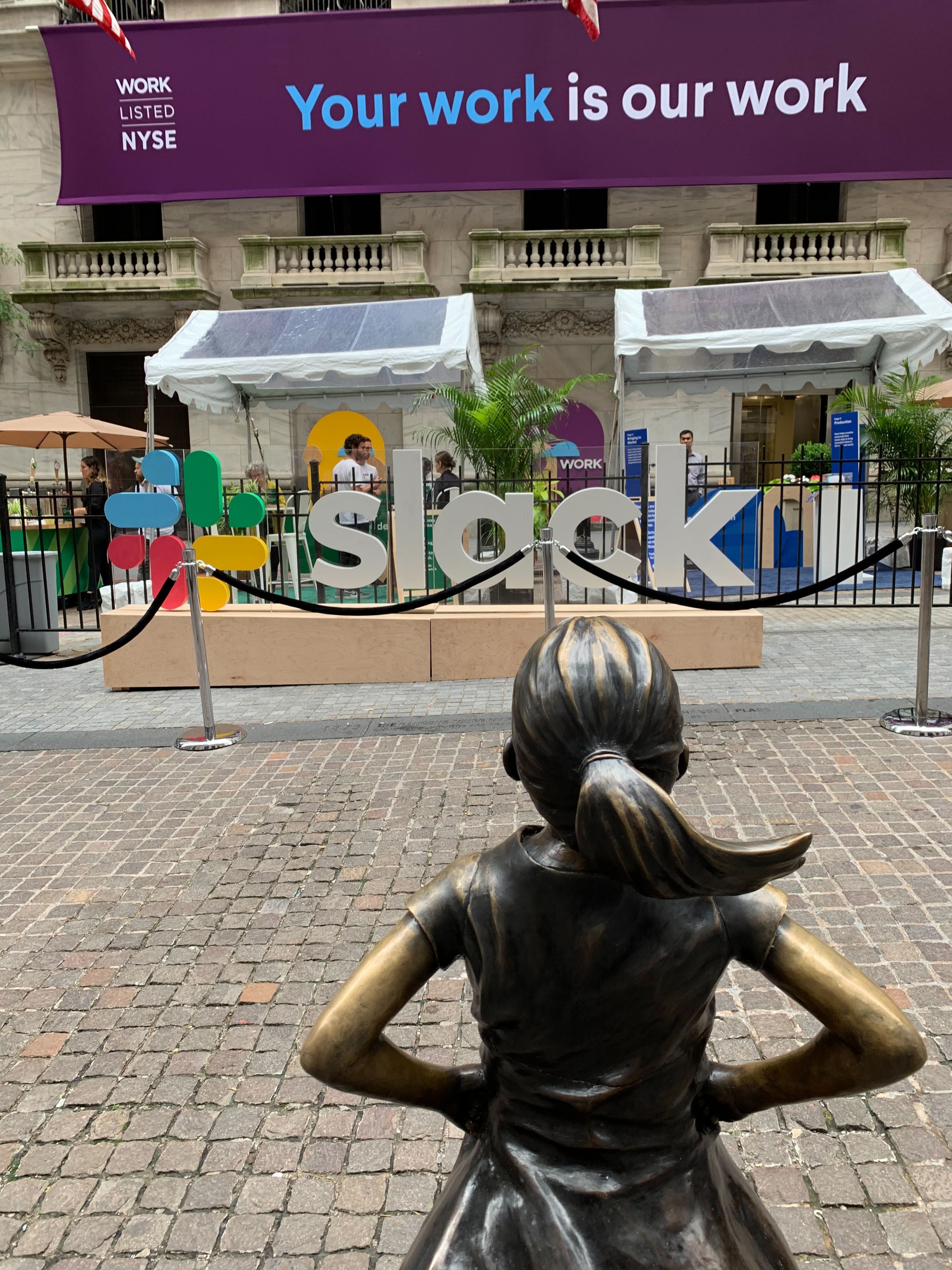
We got back to the cabin before dinner and I had a chance to catch up on the news of the day, the world far away. Headlines trumpeted the successful launch of WORK. Teammates posted selfies on the floor of the NYSE, or on the street outside where a giant purple banner full of emoji hung. Clips from TV interviews appeared in Slack and our executives stuck to their talking points about the business — the market proof for a new way of working, the demand this signalled, the greenfield opportunities still to come.
As moments go in a working life, going public with Slack proved pretty great.
Acknowledging the Change
Internally, Stewart had a great framing of the whole event of Slack going public. He thought of it best described as a rite of passage similar to a high school graduation. It was a milestone to be noted and celebrated. It was important and well understood externally by friends and family and press and easy for people to point to as a marker of success no matter how well they understood our business.
And we’d worked hard to get here. Great! Let’s acknowledge our achievement.
But if going public proved the highlight of Slack’s journey, we would have greatly underachieved. There was still so much to accomplish. This was just one step along the way to bigger things.
I liked that framing very much and in the months to come I would repeat it to our guests on Innovation Tours, to our prospects and customers in Executive Briefings. They frequently asked how going public had changed Slack. They didn’t distinguish between a DPO and an IPO. It was all just Going Public. It was all part of the larger story of Slack that folks knew.
And in those sessions what I heard them asking — if they used these words or not — was whether money had changed Slack. Had it? And how was I to answer that?
Because truthfully, yes, money had changed Slack. Money had changed Slack, and many other things that came with money and growth had changed Slack too.
New people working at Slack with new ideas and new ways of doing things more reflective or a larger public companies. New competitors (chiefly Microsoft Teams) working against Slack, with our customers, with the press, with employees. New customers further back on the adoption curve trying to understand what the fuss was all about with Slack and if it should matter to them at all.
Those changes weren’t like a light switch that got flipped when Slack became WORK and started trading publicly. A huge amount of work and thought preceded that transition to make it as smooth as possible. We had started operating as if we were a public company many quarters before we were a public company. We had used our stock as a currency to acquire companies. We had bonus plans based on hitting financial performance targets.
It all felt very grown up from where we had started. And it all felt to me like a part of a continuum of growth: get bigger, get more conventional, get more conservative because there’s more to lose. All the important stakeholders in Slack (employees, customers, shareholders, etc.) got more conservative, so the company got more conservative in its decisions.
It still felt like Slack was somewhat the same place as ever. It felt like we mostly still embraced the same spirit of playfulness. It felt like we mostly still worked for each other and for our customers and that both parties benefitted — we got their business and they got a better way or working together. It felt like we mostly still could invest deeply in hard work to get the details right in the various parts of our organization, and that we celebrated that respect for getting the details right. It felt like mostly still being in the software business could still affect people and delight them and help them in small and large ways.
But consistently saying that what got you here won’t get you there means you have to change to something, and that something tends to be pretty conventional.
Change had to happen if we wanted to continue to grow. Was it all positive? No. Was it still overwhelmingly positive from my point of view? Yes, certainly.
I still really liked the people I worked with. I really liked the work we got to do together. I trusted working with them and wanted to keep going.
How much longer? That’s a good question, and one I had for myself too.

Up next: Stories I Haven’t Told You (Yet) — Finding our Frontiers. Almost getting PIP’d. Accepting less ambition.
I also like the juxtaposition of the drama of the market and a walk in the woods with your kid. A significant day in your life and he’s concerned about poop tanks. It’s perfect. :)
I love the little vignette of you and the boy out talking to RV people as the company went public. I’m not sure I could be so easily pulled away from the computer on that day.